
The Allure of Casino Games
The psychology behind casino games is deeply rooted in the thrill of chance and the excitement of potential rewards. Casino games are designed to captivate players, offering a sensory experience that combines bright lights, engaging sounds, and the promise of financial gain. This allure often triggers a dopamine release in the brain, creating a pleasurable sensation that encourages players to keep participating. One way to heighten the experience is through the best offshore sports betting sites, which provide additional avenues for excitement. Understanding this element is crucial for both players and casino operators, as it highlights the powerful impact of emotional engagement in gaming.
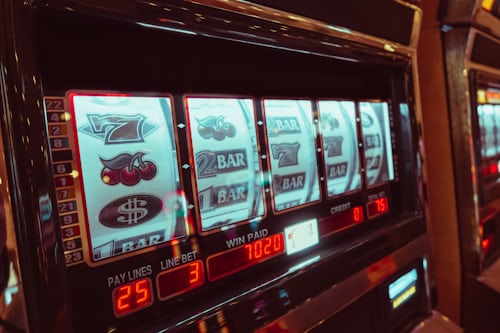
Moreover, the very design of casino environments plays a significant role in shaping player behavior. Casinos are typically constructed without clocks or windows, fostering a sense of timelessness that encourages players to extend their play sessions. This calculated manipulation of the physical space promotes an immersive experience, further driving players’ desire to engage with the games. Ultimately, the psychological aspects of attraction and environment combine to create a compelling experience that can be hard to resist.
The Role of Cognitive Biases
Cognitive biases heavily influence how players perceive and engage with casino games. One of the most prominent biases is the illusion of control, where players believe they can influence outcomes despite random chance governing the games. This belief can lead to increased gambling, as players feel empowered by their perceived abilities. Understanding such biases is key to recognizing why individuals may engage in risky behavior despite the odds being statistically against them. In this context, the role of these biases becomes even more pronounced and concerning.
Additionally, the concept of near misses also plays a significant role in reinforcing player behavior. When players come close to winning—such as getting two matching symbols instead of three—they may interpret the experience as a sign that they are close to a win, which can encourage further play. These cognitive phenomena reveal how our minds can sometimes misinterpret random outcomes, driving us deeper into the gambling cycle.
Emotional Factors in Gambling
Emotions significantly influence gambling behavior, with many players turning to casinos to escape stress or boredom. The psychological gratification derived from the game’s excitement often serves as a coping mechanism for various feelings, including anxiety or loneliness. Understanding this emotional aspect is crucial, as it can explain why individuals may gamble excessively or even develop problematic gambling behaviors. The interplay between emotions and gambling decisions creates a complex relationship that deserves careful examination.
Furthermore, the social aspect of gambling cannot be overlooked. Many players enjoy the camaraderie and shared experiences that come with gaming in a casino setting. These social interactions can enhance the overall experience, as players find comfort and engagement in a communal environment. Such emotional connections can amplify the desire to return, as players may associate gambling with positive social experiences and escape from their daily lives.
The Impact of Marketing and Promotions
Casinos also employ various marketing strategies to leverage psychological principles that encourage player participation. Promotional tactics, such as sign-up bonuses and loyalty rewards, capitalize on the tendency for people to want to avoid missing out on advantageous deals. This scarcity mindset can drive players to engage in gambling, even when they may otherwise refrain. Understanding the impact of marketing techniques can help players make informed decisions about their participation in casino activities. The continuous exposure to these promotions also shapes players’ perceptions of value and engagement.
Furthermore, targeted advertising often appeals to players’ emotions and sense of identity. By personalizing the gambling experience through tailored promotions, casinos can create a connection with potential players, making them feel valued and understood. Such strategies enhance player loyalty, encouraging repeat visits and extended gaming sessions.

Resources for Responsible Gambling
Understanding the psychology behind casino games and player behavior is vital, especially in promoting responsible gambling practices. Resources and support systems are essential for players who may be struggling with their gambling habits. Education about the psychological aspects of gambling can empower individuals to recognize when their behavior may be crossing a line into addiction.
Websites dedicated to providing resources like counseling, educational materials, and community support help individuals navigate their challenges in gambling responsibly. By fostering awareness and offering the tools necessary for positive change, these platforms aim to create a healthier gambling environment where enjoyment does not lead to detrimental consequences.